
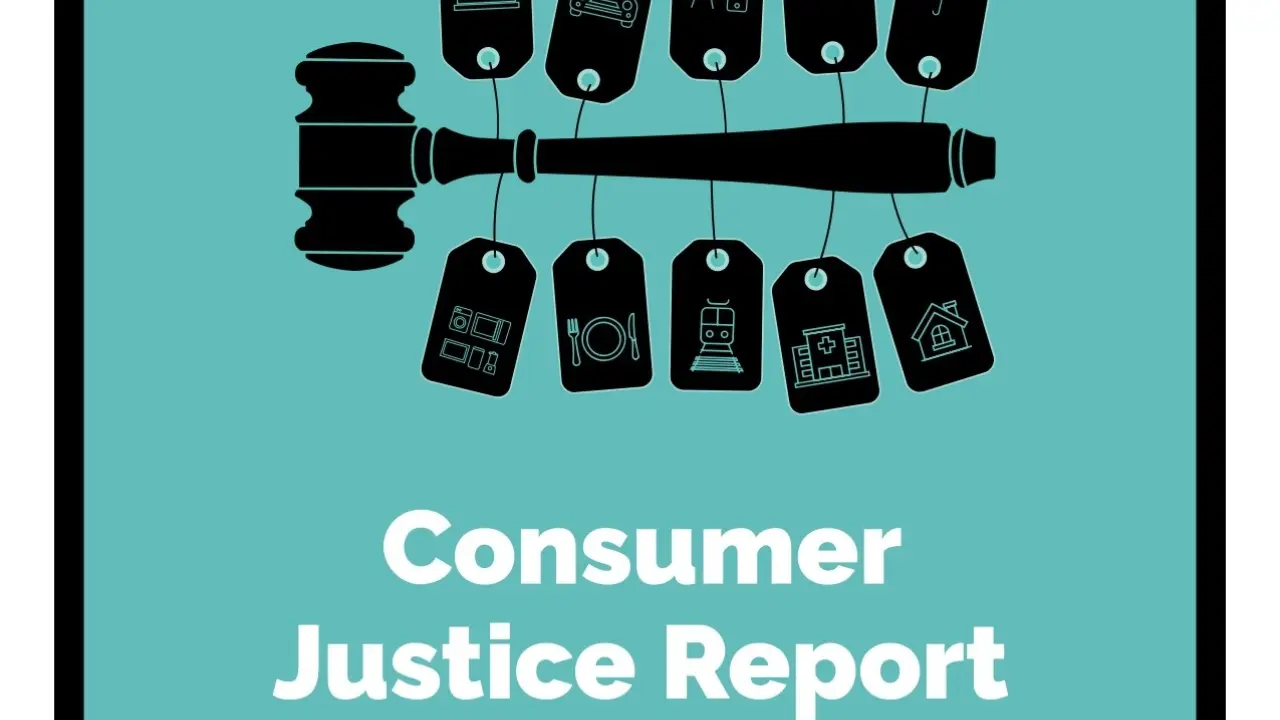
India’s consumer dispute redressal system is grappling with severe structural challenges, with mounting case pendency and widespread vacancies significantly undermining its effectiveness, according to the Consumer Justice Report 2026 released on Wednesday.
The report, published by the India Justice Report, was unveiled by former Supreme Court judge Justice (Retd.) Sanjay Kishan Kaul, who raised concerns over the weakening institutional capacity of consumer commissions.
Pendency, vacancies erode consumer confidence
The report reveals that more than half of all president and member posts in State Consumer Disputes Redressal Commissions (SCDRCs) were vacant in 2025. Simultaneously, over one-third of cases in these commissions have been pending for more than three years.
This is in stark contrast to the mandate under the Consumer Protection Act, 2019, which envisages the timely disposal of cases.
“Legislation loses meaning if the institutions tasked with implementing it are rendered non-functional,” Kaul said, adding that such gaps erode public trust in grievance redressal systems.
Andhra Pradesh tops rankings, Maharashtra at 11
The report ranks states based on 11 indicators, including infrastructure, human resources, budget utilisation, and workload.
Among large and mid-sized states, Andhra Pradesh secured the top position, followed by Madhya Pradesh and Rajasthan. Maharashtra ranked 11th, while Telangana was placed at the bottom.
In the small states category, Meghalaya ranked first, followed by Sikkim.
However, the rankings also reveal stark disparities. While Andhra Pradesh reported only 4.9 per cent of cases pending beyond three years, Kerala—ranked 12th—had nearly 80 per cent of such long-pending cases.
Insurance, housing, banking lead complaints
An analysis of nearly 2.9 million cases filed between 2010 and 2024 highlights that consumer grievances are concentrated in a few key sectors.
Insurance disputes account for the highest share of complaints
Housing and banking follow closely
At the national level, 44 per cent of cases relate to housing issues
Cases at the national commission level take an average of 448 days and seven hearings for disposal, indicating systemic delays.
Metro and capital city commissions under strain
A closer examination of district commissions in 51 capital cities, including Mumbai, Delhi, Kolkata, Chennai, and Bengaluru, reveals persistent shortcomings.
Only commissions in Kolkata met the mandatory requirement of having at least one woman member. In contrast, several commissions in Bengaluru witnessed a sharp decline in case clearance rates—from 96 per cent in 2022 to 50 per cent in 2024.
In some cities, commissions functioned without a president for extended periods, affecting their efficiency.
Some gains in budget, leadership stability
Despite the challenges, the report notes modest improvements in certain areas:
10 out of 20 state commissions had a president consistently between 2021 and 2025
16 of 19 commissions met minimum gender representation norms
Budget allocation increased by 52 per cent, reaching Rs 201.9 crore over four years
These trends indicate incremental progress in strengthening institutional frameworks.
Infrastructure and staffing gaps persist
Significant gaps remain in the basic structure of consumer redressal:
Only 685 district commissions exist for 775 districts
Around 20 per cent staff vacancies persist in state commissions
Limited use of alternative dispute resolution, with only 3,216 cases referred to Lok Adalats
Women’s representation also remains limited, with only three state commissions having had a woman president in the past five years.
Experts highlight structural weaknesses
Maja Daruwala, Chief Editor, India Justice Report, emphasised that institutional weaknesses undermine even well-designed laws.
She said, “The 2019 consumer protection law is designed to respond to the complexities of the changing marketplace in India and globally. While there are improvements and innovations compared to the previous statute, even the most progressive legislation relies on robust institutional mechanisms. Data accessed through RTI show the gaps and neglect in filling leadership vacancies in commissions, which undermines the spirit of the consumer protection mandate and leads to ineffective grievance redressal. We find that in consumer commissions, gender diversity is restricted to mere compliance, pendency persists, and mediation is ornamental, eventually weakening the promise of institutional resolution and redress for consumers.”
System ‘working at subsistence level’
Former Supreme Court judge Justice (Retd.) Madan B. Lokur described the situation in stark terms:
“The Consumer Protection Act is a beneficent legislation at the centre of which is the ordinary consumer. The report clearly shows that the system is working at a subsistence level, with vacancies as high as 40 per cent in State Commissions. One in three cases is pending for over three years. It is time the authorities realise that consumption and economic growth are severely affected by the lack of faith in consumer redressal mechanisms. Forty years after the Consumer Protection Act was enacted, the situation is terribly grim. It raises the question: are these commissions really grievance redressal bodies?”
Call for urgent reform
The findings underline the urgent need for systemic reforms to address vacancies, strengthen infrastructure, and improve efficiency.
Without these measures, the report warns, the promise of accessible and timely consumer justice will remain unfulfilled for millions across the country.






Leave a Reply